Expert Electric Guitar Care: Essential Tips for Longevity and Performance
- mark39849
- Feb 16
- 4 min read
Owning an electric guitar is a rewarding experience, but keeping it in top shape requires regular attention and care. Whether you are a beginner or a seasoned player, understanding how to maintain your instrument can significantly enhance its sound quality, playability, and lifespan. This guide offers expert electric guitar care tips that are practical, easy to follow, and designed to keep your guitar performing at its best.
Understanding the Basics of Electric Guitar Care
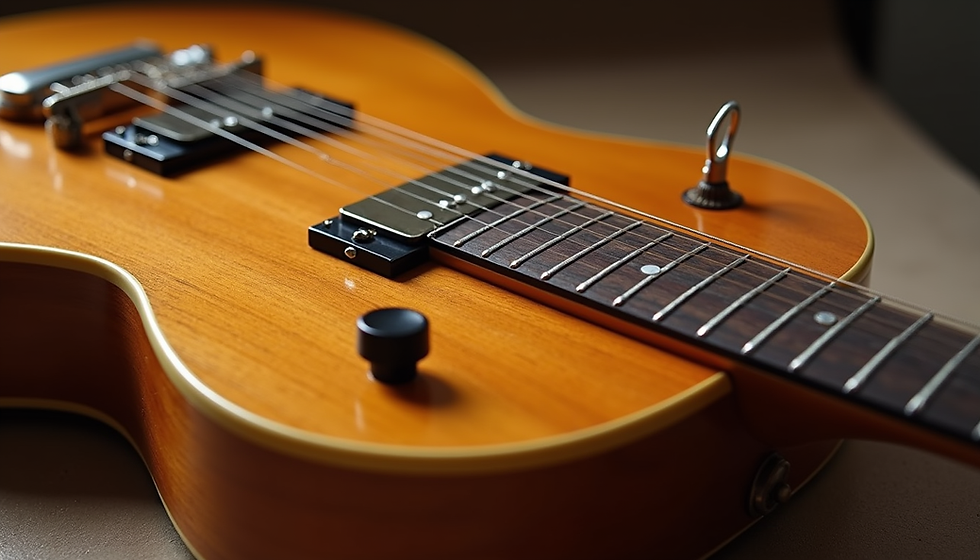
Proper electric guitar care starts with knowing the key components of your instrument and how they interact. Your guitar consists of the body, neck, fretboard, pickups, and hardware such as tuning pegs and bridge. Each part requires specific maintenance to prevent wear and damage.
Clean your guitar regularly: Dust and sweat can accumulate on the body and fretboard, leading to corrosion and finish damage. Use a soft, dry cloth to wipe down your guitar after every session.
Store your guitar properly: Avoid exposing your guitar to extreme temperatures or humidity. Use a hard case or padded gig bag to protect it from physical damage and environmental changes.
Check your strings often: Strings wear out with use and can affect tone and tuning stability. Change them regularly based on how often you play.
By establishing these habits, you lay the foundation for more detailed maintenance tasks.

Essential Electric Guitar Care: Cleaning and String Maintenance
Cleaning your guitar and maintaining the strings are two of the most important aspects of electric guitar care. Neglecting these can lead to poor sound quality and even damage to your instrument.
Cleaning the Body and Hardware
Use a microfiber cloth to gently wipe the guitar body and hardware. For stubborn dirt or fingerprints, a guitar-specific polish can be applied sparingly. Avoid household cleaners as they may damage the finish.
Remove dust from pickups and knobs using a soft brush.
Clean the tuning pegs and bridge to prevent rust.
Wipe down the fretboard with a slightly damp cloth if it’s very dirty, then dry immediately.
String Care and Replacement
Strings are the heart of your guitar’s sound. Dirty or old strings can sound dull and cause tuning issues.
Wipe strings with a clean cloth after playing to remove oils and sweat.
Use string cleaner or lubricant to extend string life.
Replace strings every 1-3 months depending on usage.
When changing strings, replace them one at a time to maintain neck tension.
Proper cleaning and string care will keep your guitar sounding fresh and responsive.
Adjusting Your Guitar for Optimal Playability
A well-maintained guitar should feel comfortable and play smoothly. Adjustments to the neck, action, and intonation are key to achieving this.
Neck Relief Adjustment
The neck of your guitar has a slight curve called relief, which affects string height and playability. Too much or too little relief can cause buzzing or high action.
Use the truss rod to adjust neck relief. Turn clockwise to reduce relief, counterclockwise to increase it.
Make small adjustments (1/8 turn) and check the effect by pressing strings at the first and last frets.
If unsure, consult a professional to avoid damage.
Action and Bridge Setup
Action refers to the height of the strings above the fretboard. Lower action makes playing easier but can cause fret buzz if too low.
Adjust the bridge saddles to raise or lower string height.
Check for even string height across all strings.
Use a ruler or feeler gauge for precise measurement.
Intonation
Proper intonation ensures your guitar plays in tune across the fretboard.
Use a tuner to check the pitch of open strings and fretted notes at the 12th fret.
Adjust the saddle position forward or backward to correct pitch discrepancies.
Repeat for each string.
Regular setup adjustments keep your guitar comfortable and in tune.

Protecting Your Guitar from Environmental Damage
Environmental factors like humidity, temperature, and sunlight can negatively impact your guitar’s wood and hardware.
Humidity control: Keep your guitar in an environment with 40-50% humidity. Use a humidifier or dehumidifier as needed.
Temperature stability: Avoid leaving your guitar in hot cars or near heaters. Sudden temperature changes can cause wood to warp or crack.
Sunlight exposure: Prolonged exposure to direct sunlight can fade finishes and damage electronics.
Using a quality case and storing your guitar in a stable environment will protect your investment.
When to Seek Professional Help
While many maintenance tasks can be done at home, some require expert attention.
Complex neck adjustments or fretwork.
Electronics repair or pickup installation.
Structural damage or finish restoration.
Regular checkups by a professional guitar technician can prevent small issues from becoming costly repairs.
For those looking to deepen their knowledge, resources on electric guitar maintenance provide detailed guides and tutorials.
Keeping Your Guitar Ready to Play
Maintaining your electric guitar is an ongoing process that pays off with better sound, feel, and reliability. By following these expert tips, you ensure your instrument stays in peak condition for years to come.
Develop a routine for cleaning and string care.
Learn basic setup adjustments to customize your guitar’s playability.
Protect your guitar from environmental hazards.
Don’t hesitate to consult professionals for complex repairs.
With consistent care, your electric guitar will continue to inspire and perform at its best every time you pick it up.


Comments